
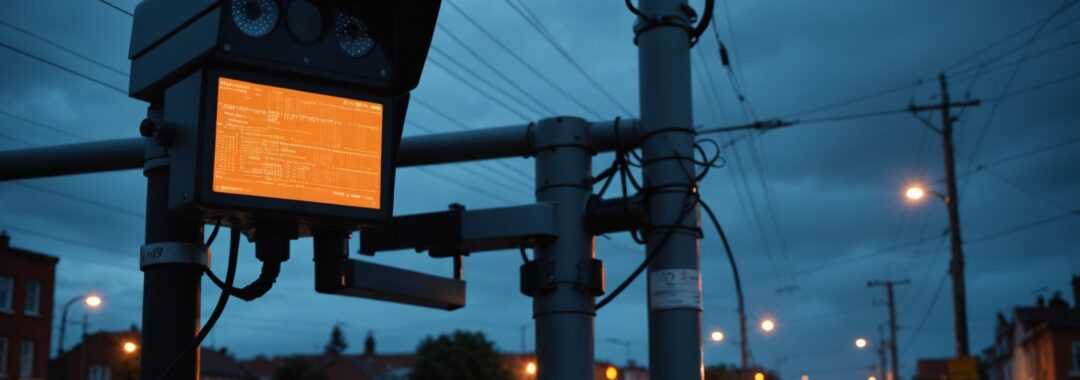
Flock Camera Security Breach Exposes Massive Surveillance Data Collection
A major Flock camera security breach has revealed alarming details about how automated licence plate recognition (ALPR) systems collect and store data on everyday citizens. In September 2026, a hacker collective successfully compromised a Flock Safety camera, extracting data that shows the device captured 1.6 million images of approximately 50,000 vehicles in just 21 days.
This incident raises critical questions about the security of surveillance infrastructure deployed across neighbourhoods, businesses, and law enforcement agencies. For Australian organisations considering or already using similar ALPR technology, understanding the implications of this breach is essential for protecting both operational security and community trust.
Source: Wired – Hackers Got Inside a Flock Camera. Its Data Shows How the System Really Works
What Happened in the Flock Camera Data Breach?
The breach occurred when hackers physically removed a Flock camera from its mounting location and extracted its internal storage. The dumped data included thousands of videos, detailed logs, and metadata that painted a comprehensive picture of the system’s surveillance capabilities.
Scale of Data Collection Revealed
The extracted files demonstrated the sheer volume of data these devices collect:
- 1.6 million images captured over a 21-day period
- Approximately 50,000 unique vehicles logged and tracked
- Detailed timestamps and location metadata for each capture
- Video footage showing vehicle movements and patterns
This translates to roughly 76,000 images per day from a single camera installation, highlighting the massive data collection footprint of modern ALPR systems.
How Does Flock Camera Technology Work?
Flock Safety cameras use advanced computer vision and machine learning to automatically capture and analyse vehicle licence plates. Understanding their technical operation helps explain why this breach is particularly concerning.
Technical Architecture
The devices operate using several integrated components:
- High-resolution cameras with infrared capabilities for night capture
- On-device AI processing for immediate plate recognition
- Local storage for buffering data before cloud upload
- Cellular connectivity for transmitting data to centralised servers
- Solar power systems enabling deployment in remote locations
The breach revealed that substantial data remains stored locally on devices, creating physical security vulnerabilities that remote hardening cannot address.
What Are the Business and Privacy Implications?
The Flock camera security breach carries significant implications for organisations deploying surveillance technology and the communities they monitor.
For Organisations Using ALPR Systems
Businesses and councils utilising similar technology face several risks:
- Regulatory exposure under Australian Privacy Principles if data is compromised
- Reputational damage from perceived over-surveillance
- Legal liability for inadequate physical security measures
- Operational disruption if devices are targeted for theft or tampering
For Privacy and Civil Liberties
The volume of data collection demonstrated—50,000 vehicles tracked by a single camera—highlights how quickly surveillance networks can build comprehensive movement profiles of entire communities without their knowledge or meaningful consent.
How Can Organisations Protect Their Surveillance Infrastructure?
Whether you operate ALPR cameras or other IoT surveillance devices, implementing robust security controls is essential. The following recommendations address both physical and cyber vulnerabilities.
Physical Security Measures
- Install cameras in tamper-resistant enclosures with anti-theft mounting hardware
- Deploy tamper detection sensors that alert when devices are disturbed
- Position cameras at heights and locations that deter physical access
- Implement regular physical inspections of all deployed devices
Data Protection Controls
- Enable full-disk encryption on all device storage
- Minimise local data retention through frequent synchronisation
- Implement secure boot processes to prevent firmware tampering
- Conduct regular vulnerability management services assessments on all IoT devices
Network and Access Security
- Segment surveillance devices onto isolated network zones
- Enforce multi-factor authentication for administrative access
- Monitor for anomalous device behaviour indicating compromise
- Maintain comprehensive audit logs of all system access
Frequently Asked Questions
What is a Flock camera and how is it used?
Flock Safety cameras are automated licence plate recognition (ALPR) devices deployed by law enforcement agencies, homeowner associations, and businesses to monitor vehicle movements. They automatically capture images of passing vehicles, extract licence plate data, and can alert authorities when vehicles of interest are detected. The technology is increasingly common in Australia for crime prevention and investigation purposes.
How can organisations protect surveillance cameras from physical attacks?
Organisations should implement layered physical security including tamper-resistant mounting hardware, anti-theft enclosures, and height positioning that prevents easy access. Additionally, enabling device encryption ensures that even if hardware is stolen, the data remains protected. Regular security audits and tamper detection systems provide early warning of attempted compromises.
What should businesses do if their surveillance system is breached?
Immediately isolate affected devices and preserve evidence for investigation. Notify relevant authorities and, if personal data was compromised, assess obligations under the Privacy Act 1988. Engage cybersecurity professionals to determine breach scope, implement remediation measures, and speak with our security team about strengthening your security posture to prevent future incidents.
Key Takeaways
- A single Flock camera captured 1.6 million images of 50,000 vehicles in just 21 days
- Physical device security is often overlooked in IoT surveillance deployments
- Local data storage on devices creates extraction vulnerabilities
- Australian organisations must consider Privacy Act obligations when deploying surveillance technology
- Encryption, tamper detection, and regular audits are essential protective measures
- The Flock camera security breach demonstrates that cybersecurity must include physical security considerations
Conclusion: Reassessing Surveillance Security in 2026
The Flock camera security breach serves as a stark reminder that comprehensive security requires attention to both digital and physical attack vectors. As ALPR and IoT surveillance technology becomes increasingly prevalent across Australian businesses, councils, and residential communities, organisations must implement robust protections that address the full spectrum of threats.
The revelation that a single camera can amass data on 50,000 vehicles in three weeks underscores the significant responsibility that comes with deploying surveillance infrastructure. Beyond technical controls, organisations must consider governance frameworks, community transparency, and regulatory compliance.
For Australian businesses seeking to strengthen their surveillance security or assess existing IoT deployments, proactive vulnerability assessments and security architecture reviews are essential first steps toward protecting both your organisation and the communities you serve.