
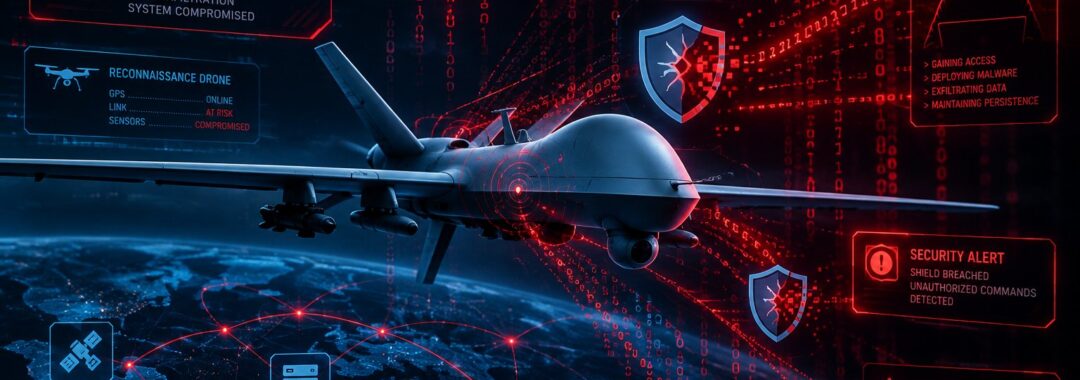
Military Drone Cyberattack: German Defence Operations Disrupted
A sophisticated military drone cyberattack has disrupted German defence operations, raising urgent concerns about the vulnerability of critical military infrastructure to hostile cyber threats. In late October 2026, German defence technology company Quantum Systems confirmed detecting an active cyberattack by hostile actors that compromised drone operations supporting military activities. This incident serves as a stark reminder that nation-state cyber threats continue to escalate, targeting essential defence capabilities across allied nations.
For Australian organisations operating in defence, aerospace, and critical infrastructure sectors, this attack provides crucial lessons about emerging threat vectors and the imperative need for robust cybersecurity measures.
What Happened in the Quantum Systems Cyberattack?
According to reports from BleepingComputer, Quantum Systems identified the intrusion in late October 2026. The company, which manufactures reconnaissance drones used by military forces, confirmed that hostile actors had actively targeted their systems.
Source: BleepingComputer – German military drone operations disrupted by cyberattack
The attack specifically disrupted drone operations, which are increasingly critical for modern military reconnaissance and tactical operations. While full details remain classified for security reasons, the incident demonstrates how cyber threats can directly impact kinetic military capabilities.
Timeline of Events
- Late October 2026: Initial intrusion detected by Quantum Systems security teams
- Immediate response: Incident response protocols activated
- November 2026: Public confirmation of the cyberattack
- Ongoing: Investigation and remediation efforts continue
How Does a Military Drone Cyberattack Work?
Understanding the technical mechanisms behind attacks on military drone systems is essential for developing effective defences. These attacks typically exploit multiple vectors to compromise operations.
Common Attack Vectors
- Supply chain compromise: Infiltrating software or hardware during manufacturing
- Command and control interception: Hijacking communication links between operators and drones
- Network intrusion: Penetrating corporate networks to access operational systems
- GPS spoofing: Manipulating navigation signals to misdirect autonomous systems
- Firmware exploitation: Targeting vulnerabilities in drone operating systems
Nation-state actors typically employ advanced persistent threats (APTs) that maintain long-term access to compromised networks. These sophisticated campaigns often go undetected for months, allowing attackers to gather intelligence and position themselves for disruptive actions.
Attribution Challenges
While Quantum Systems confirmed “hostile actors” were responsible, official attribution remains challenging. Defence sector attacks are commonly linked to nation-state groups from Russia, China, North Korea, and Iran. However, definitive attribution requires extensive forensic analysis and intelligence correlation.
Business Impact on Defence and Critical Infrastructure
This military drone cyberattack carries significant implications beyond the immediate operational disruption. Organisations across the defence supply chain must recognise the cascading effects such incidents create.
Direct Consequences
- Operational capability degradation: Military units lose access to critical reconnaissance assets
- Intelligence compromise: Potential exposure of sensitive operational data
- Supply chain disruption: Manufacturing and delivery delays affect multiple customers
- Reputational damage: Defence contractors face scrutiny over security practices
Broader Implications for Australia
Australian defence contractors and critical infrastructure operators face similar threat profiles. Under the AUKUS partnership, Australian organisations are increasingly integrated into allied defence supply chains, making them attractive targets for adversaries seeking to disrupt Western military capabilities.
The Security of Critical Infrastructure Act 2018 mandates robust cybersecurity measures for Australian organisations in designated sectors. This incident reinforces why compliance isn’t merely regulatory—it’s operational necessity.
Actionable Recommendations for Australian Organisations
Protecting against sophisticated nation-state attacks requires a comprehensive, defence-in-depth approach. Here are essential measures organisations should implement immediately.
Immediate Actions
- Conduct threat assessments: Evaluate your exposure to nation-state threat actors
- Review supply chain security: Audit third-party vendors and implement zero-trust principles
- Enhance monitoring: Deploy advanced threat detection across all network segments
- Update incident response plans: Ensure plans address nation-state attack scenarios
- Implement network segmentation: Isolate operational technology from corporate networks
Long-Term Security Improvements
- Adopt the Essential Eight maturity model as a baseline
- Implement continuous vulnerability management programmes
- Conduct regular penetration testing of critical systems
- Establish threat intelligence sharing with industry partners
- Train staff on social engineering and phishing recognition
If your organisation operates in defence, aerospace, or critical infrastructure, consider engaging our vulnerability management services to identify and remediate security gaps before adversaries exploit them.
Frequently Asked Questions
What is a military drone cyberattack?
A military drone cyberattack is a deliberate cyber operation targeting unmanned aerial systems or their supporting infrastructure. These attacks can compromise drone operations through various methods, including network intrusion, communications hijacking, GPS spoofing, or supply chain compromise. The goal is typically to disrupt military capabilities, steal sensitive intelligence, or demonstrate offensive cyber capabilities.
How can defence contractors protect against nation-state cyber threats?
Defence contractors should implement comprehensive security programmes including network segmentation, zero-trust architecture, continuous monitoring, and robust incident response capabilities. Regular security assessments, employee training, and threat intelligence integration are essential. Compliance with frameworks like the Defence Industry Security Program (DISP) provides a solid foundation, but organisations must go beyond minimum requirements to address sophisticated threats.
Are Australian defence organisations at risk from similar attacks?
Yes, Australian defence organisations face significant cyber threats from nation-state actors. The Australian Signals Directorate (ASD) has repeatedly warned that state-sponsored groups actively target Australian defence, government, and critical infrastructure sectors. The integration of Australian companies into allied defence supply chains through AUKUS increases both strategic value and threat exposure.
Key Takeaways
- The Quantum Systems military drone cyberattack demonstrates that defence technology companies remain high-value targets for hostile nation-states
- Attacks on military supply chains can directly impact operational capabilities of allied forces
- Australian organisations in defence and critical infrastructure sectors face similar threat profiles and must prioritise cybersecurity
- Implementing defence-in-depth strategies and maintaining vigilance against APTs is essential
- Regulatory compliance under SOCI Act and DISP requirements represents minimum baseline security, not comprehensive protection
Conclusion: Strengthening Defences Against Military Drone Cyberattacks
The military drone cyberattack against Quantum Systems underscores the evolving nature of modern warfare, where cyber operations directly impact kinetic military capabilities. As nation-state actors continue to target defence supply chains, Australian organisations must recognise their role in this interconnected security landscape.
Proactive security measures, continuous monitoring, and robust incident response capabilities are no longer optional—they’re fundamental requirements for any organisation supporting defence or critical infrastructure operations. The cost of inadequate security extends far beyond financial impact; it potentially compromises national security and allied military capabilities.
Don’t wait for a breach to expose vulnerabilities in your organisation. Speak with our security team today to assess your cyber resilience and implement protection strategies aligned with the threat landscape facing Australian defence and critical infrastructure sectors.